3D versus classic embroidery?
3D embroidery catches the eye instantly; classic embroidery outlasts the textile itself. Find out which technique suits your brand and when the investment truly pays off.

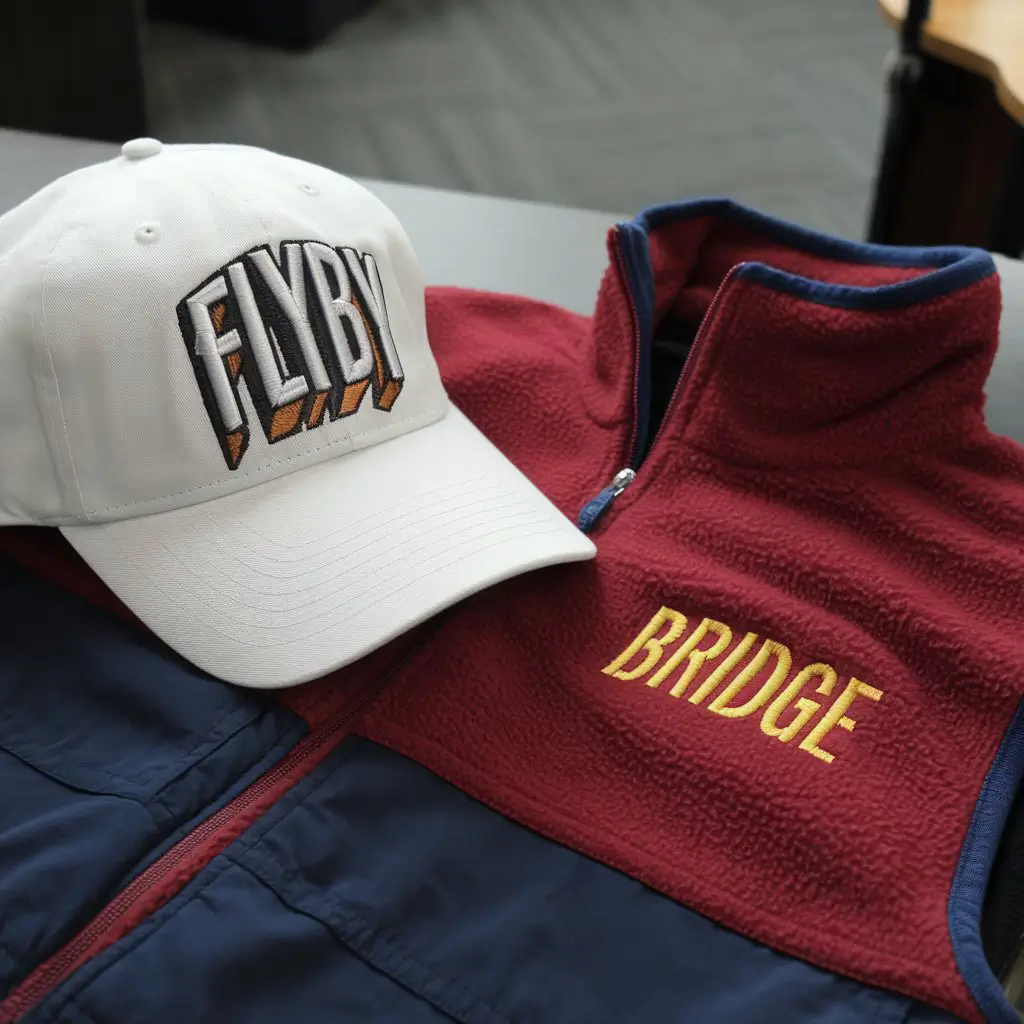
Classic embroidery is worthwhile for corporate textiles intended for long, frequent wear, because it lasts as long as the fabric itself and looks elegant. 3D embroidery suits situations where the logo needs to catch the eye immediately - for example on beanies and caps.
Both techniques are more durable than printing. They differ mainly in appearance and the type of product they suit best.
Classic embroidery: the durable standard
Flat embroidery stitches the logo directly into the fabric with thread. The result is refined, professional and exceptionally durable - it withstands hundreds of washes without fading. It suits polo shirts and hoodies, shirts and towel borders alike. It is the choice for uniforms and corporate textiles worn daily.
3D embroidery: a logo that stands out
3D embroidery adds a foam underlay beneath the thread, causing the logo to rise above the surface in relief. It looks bold and sporty, which is why it is most popular on beanies and caps. It works best for simpler, bolder motifs - fine details are harder to reproduce in 3D.
Which technique to choose
| Criterion | Classic embroidery | 3D embroidery |
|---|---|---|
| Look | subtle, elegant | raised, bold |
| Best products | textiles, shirts, towels | caps, beanies |
| Logo detail | fine details possible | simpler designs preferred |
| Durability | highest | very high |
If you want a subtle corporate look, go with classic embroidery. If the logo needs to stand out and you are working with caps or beanies, opt for 3D. We are happy to advise on embroidery, assess how your logo will translate into thread, and prepare a quote.
Frequently asked questions
Embroidery. The logo is stitched with thread, so it won't fade or peel and will typically outlast the textile itself. Printing tends to fade sooner, especially with frequent washing.
Choose 3D embroidery when the logo needs to make an immediate visual impact - typically on beanies and caps. For a subtle corporate look on shirts and polo shirts, classic flat embroidery is more appropriate.
Classic embroidery can handle finer details, but photorealistic motifs with many gradients have limitations. With 3D embroidery, simple logos with clean shapes work best.
The largest part of the cost is the one-time programming of the logo into the machine, which is spread across the run. For a larger series the per-unit price drops significantly; for just a few pieces embroidery is more expensive.